
AI Agents in 2026: Revolution or Overhyped Trend?

The Promise vs. The Reality
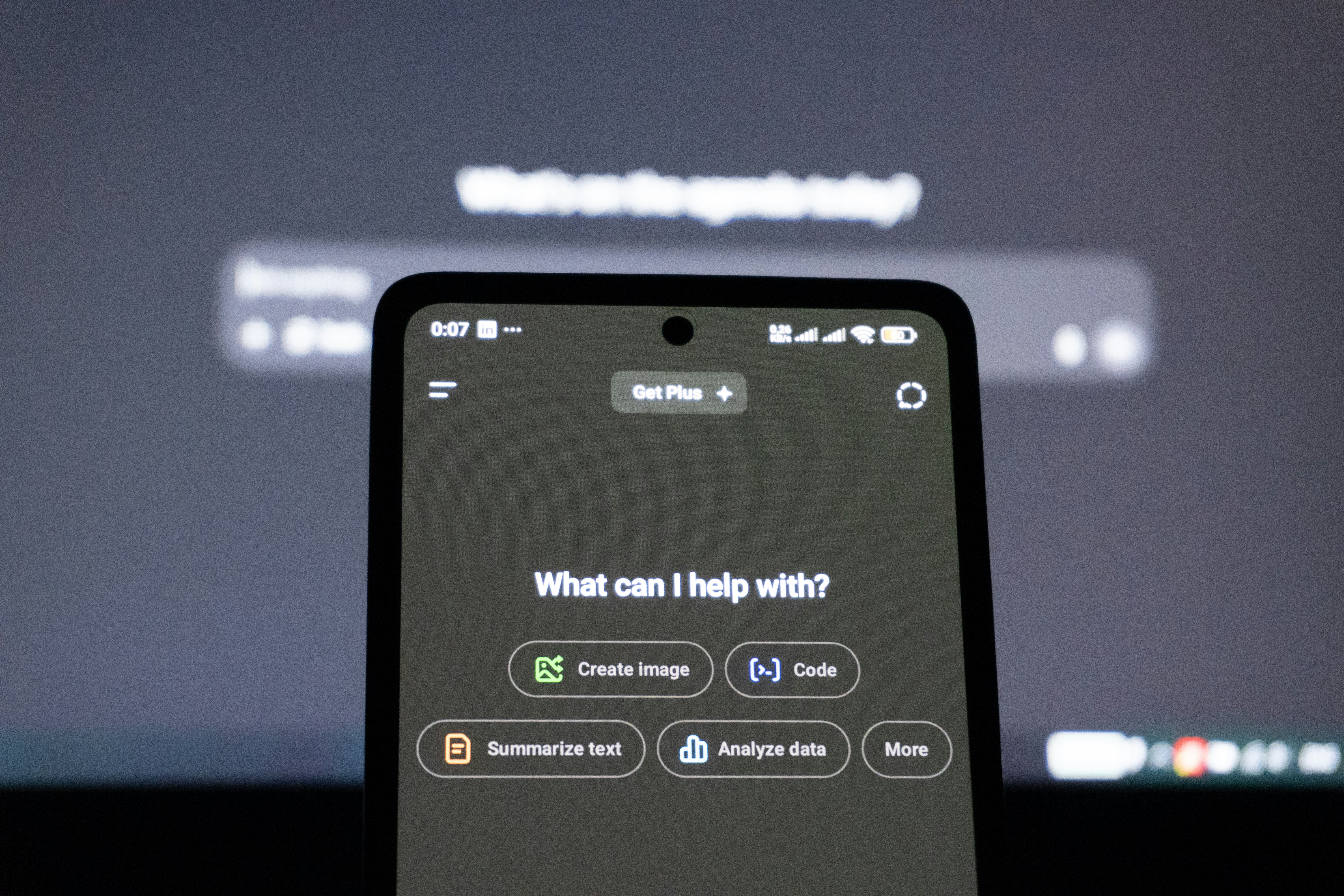
We're in the midst of an AI agent hype cycle that makes the blockchain craze look like a sleepy kitten. Every tech conference, every LinkedIn feed, every startup pitch deck mentions "autonomous AI agents" as if they're already running our businesses while we sip margaritas on a beach.
But here's the uncomfortable truth: most "AI agents" today are just glorified chatbots with fancy marketing. Sorry, not sorry. 🦖
"An AI agent that can't reliably book a meeting isn't an agent – it's a digital intern that needs its own intern."**
What Actually Works Today
Let's separate the wheat from the chaff. Here's what AI agents can actually do reliably in 2026:
1. Narrow, Well-Defined Tasks
- Code review automation: AI can catch common bugs, style violations, and security issues
- Content moderation: Flagging inappropriate content with 90%+ accuracy
- Customer support triage: Routing tickets to the right department
- Data extraction: Pulling structured data from unstructured sources
2. Augmentation, Not Replacement
The real value isn't in replacing humans – it's in making humans 10x more productive. Think Copilot, not autopilot. Like a cat that shows you where the mouse is – but you still have to catch it. 🐱
- Developers using AI pair programming are shipping faster
- Designers using AI for rapid prototyping iterate more
- Analysts using AI for data exploration find insights quicker
3. Supervised Workflows
Agents work best when there's a human in the loop checking critical decisions. Full autonomy? That's still 3-5 years away for anything beyond trivial tasks.
What Doesn't Work (Yet)
Here's where the hype machine oversells reality:
Complex Multi-Step Tasks
Try asking an AI agent to:
- Plan a product launch with stakeholder coordination
- Refactor a legacy codebase without breaking things
- Handle customer complaints that require empathy and judgment
The failure rate is still too high for production use without heavy supervision.
Long-Term Context & Memory
Despite promises of "infinite context windows," AI agents still struggle with:
- Maintaining coherent context over days/weeks
- Learning from past mistakes without retraining
- Understanding nuanced company culture and politics
Reliability & Trust
Would you let an AI agent:
- Negotiate a contract?
- Fire someone?
- Make financial decisions?
If the answer is no, we're not in the "agent revolution" yet. We're in the "agent experimentation" phase.
The Real Business Impact
So should you invest in AI agents? Absolutely – but with realistic expectations.
What We Recommend to Clients
- Start with high-volume, low-risk tasks: Customer support FAQs, data entry, code formatting
- Build robust guardrails: Human review checkpoints, rollback mechanisms, audit trails
- Measure everything: Error rates, time saved, quality metrics, user satisfaction
- Invest in training: Your team needs to understand how to work WITH agents, not just deploy them
The 2026 Reality Check
AI agents are powerful tools that can dramatically improve productivity – when used correctly. But they're not magic, and they won't replace your team.
The companies winning with AI aren't the ones trying to automate everything. They're the ones that:
- Identify specific pain points where AI adds value
- Integrate agents into existing workflows thoughtfully
- Keep humans in control of critical decisions
- Iterate based on real-world results, not hype
"The future of work isn't humans vs. AI. It's humans + AI vs. companies that ignore AI entirely."
What's Next?
We're working on AI agent implementations for clients right now. The results are promising when expectations are realistic:
- 40% reduction in support ticket response time
- 60% faster code review cycles
- 90% automation of data entry tasks
But we're also seeing failures:
- Agents hallucinating incorrect information to customers
- Workflows breaking when edge cases appear
- Teams over-relying on AI without building proper safeguards
The key is knowing when to use AI, when to augment with AI, and when to keep humans in charge.
Our Take
AI agents will transform how we work – but not overnight, and not by replacing everyone. The transformation will be gradual, task-by-task, workflow-by-workflow.
If you're building AI agents, focus on reliability over capability. A narrow agent that works 99% of the time beats a broad agent that works 70% of the time.
And if you're evaluating AI agent vendors? Ask for error rates, not feature lists. Ask for case studies, not promises. Ask what happens when things go wrong, not just when they go right.
The AI agent revolution is coming. But in 2026, we're still in the early innings. Or as our office dinos would say: we just hatched from the egg. 🥚🦕


ctaBanner.title ctaBanner.titleSecondary
ctaBanner.subtitle