How to setup Design collaboration in agile teams

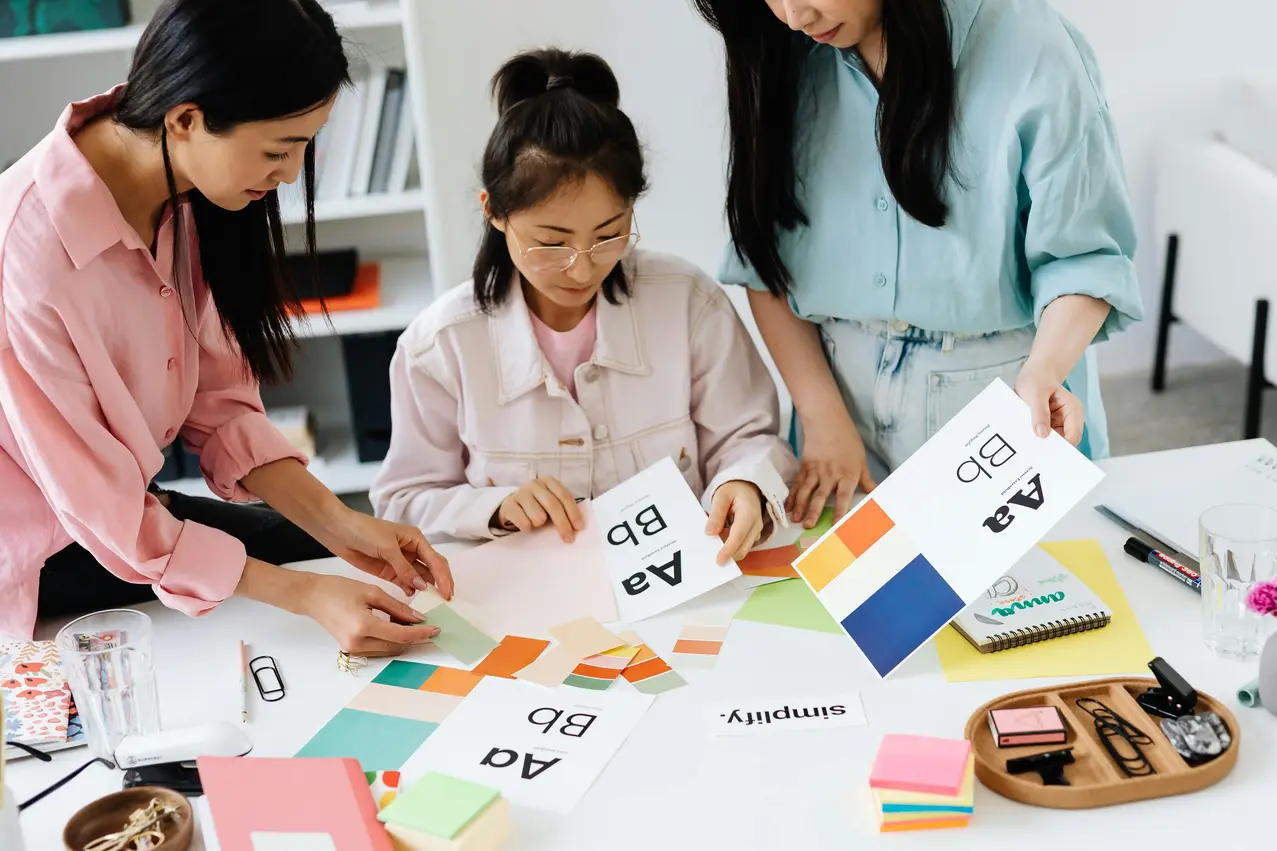
"This common challenge is quite ironic: a team splits itself into silos. The designers have their own role-specific tools, processes and meetings. The developers stick to theirs."
Collaboration is like an exercise.
It doesnt happen by itself, and making it a routine takes work. Poor communication is often more or less the norm in teams. If the teams tools and rituals do not actively work towards close collaboration and feedback, the team creates mini-waterfalls where everyone works in their own pseudo-agile lanes without really interacting with each other. Like cats living in the same house but ignoring each other. 🐱🐱
Cross-functional meetings and rituals
Good reflection meetings where the whole team feels safe to share their thoughts are the most effective tool for improvement.
It is best to plan work together and share responsibility for team goals. Ideally, developers should feel responsible for the designers work and vice versa. Planning design activities separately can make this more difficult and in turn lead to the creation of silos within the supposedly agile team.
Collaborative meetings such as dailies should increase transparency about what others are working on and plan further points of collaboration as needed. Solving the actual problems should be done outside of the joint meetings.
Minimise the number of role-specific tools
As with planning meetings, using the same applications to manage the work of designers and other team members can greatly help the team understand each others work and share responsibility for goals.
Using specific tools to create non-editable documents at handover will make collaboration more difficult. Prefer tools that allow all team members to create, edit and comment on documents. The best collaboration tools are updated live and are easy to use.
Keep digital representations of the same goal or task to a minimum so all team members know where to find the latest comments and ideas.
Tips to improve cross-functional collaboration:
- Dont have separate design or development goals. Take joint responsibility for team goals. We're all in the same boat – or spaceship. 🚀
- Make the goals for each team members work transparent. Not only the "how" and "when", but also the "why". This will drastically reduce misunderstandings.
- Aim for constant verbal communication. Documents and tickets are helpful, but they should never be the only channel of communication.
- Take time to find rituals, tools and working models that make it easier for the team to work together. Focus on constant evolution rather than dramatic reform.
- Involve team members and leaders in the design work. Let them participate in both the research and the analysis of the results.
- Be curious and empathetic about the work of other team members and their problems. Seek a two-way exchange of knowledge rather than just imposing your own ideology on the team.
Clarification of Terms
Customer
In this article we mainly talk about customer orientation and customer value. These terms refer not only to customers, but also to potential end users and other stakeholders.
Team
Team refers to all the people involved in creating a product for the customers and end users. Whether they are developers, designers, product owners, managers or other specialists, everyone is seen as part of the team.
Design
We do not draw boundaries between different design roles and designations (UI designer, UX designer, product designer, service designer, ...), as many types of designers are valuable members of a cross-functional agile team. However, we strongly define design by a customer-centric mindset and put it in the context of teams developing software as part of the service.
Agile
The word agile is a characteristic that describes certain software development teams. Agile teams have the autonomy to organise their work in short feedback loops that allow them to constantly evolve the way they work, learn from customer feedback and adjust their goals to maximise customer value.
ctaBanner.title ctaBanner.titleSecondary
ctaBanner.subtitle